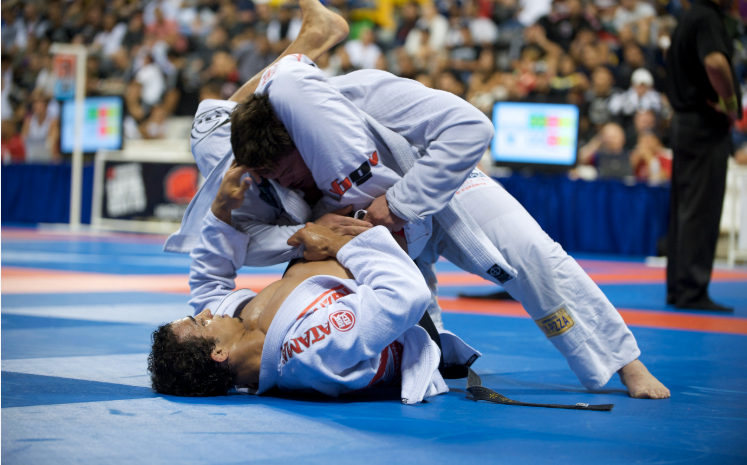
Starting Brazilian Jiu-Jitsu as an adult can feel exciting, challenging, and slightly intimidating. The first few classes may introduce unfamiliar movements, positions, terminology, and training routines. That experience is completely normal for someone who has never practiced grappling before.
For adults searching for Adults jiu jitsu near me, understanding what the first month may look like can make the transition easier. The goal during the first month is not to become an expert. It is to become comfortable with the training environment, learn basic movements, and develop safe training habits.
Your First Class May Feel Unfamiliar
A beginner BJJ class often includes a warm-up, technique instruction, drilling with a partner, and sometimes controlled live practice. The exact structure varies from one academy to another.
You may hear unfamiliar terms such as:
- Guard
- Mount
- Side control
- Escape
- Frame
- Sweep
- Tap
Do not worry if you cannot remember everything. Learning the vocabulary takes time.
You Do Not Need to Be Extremely Fit
Many adults worry that they need to get in shape before starting Brazilian Jiu-Jitsu. In most beginner programs, there is no requirement to arrive with advanced fitness or previous martial arts experience.
The training itself can gradually help you develop:
- Coordination
- Balance
- Mobility
- Strength
- Endurance
- Body awareness
The first few sessions may feel physically demanding because your body is learning unfamiliar movements.
Learning How to Move on the Ground
One of the first differences beginners notice is that BJJ involves a lot of ground movement.
You may practice basic movements that help you change position, maintain balance, or recover from an uncomfortable position. These movements can initially feel awkward, but repetition makes them more familiar.
Early progress is often about recognizing positions and understanding how your body should move rather than performing techniques perfectly.
Understanding the Tap
Learning how to tap is an important part of safe BJJ training. A tap tells your training partner that you want the technique to stop.
Beginners should become comfortable tapping when necessary rather than trying to resist every situation.
Good communication with your training partner and instructor helps keep training controlled and productive.
The First Week: Expect Confusion
During your first week, you may forget techniques shortly after the instructor demonstrates them. You may also struggle to remember which position you are currently in.
This is a normal part of learning something completely new.
Instead of trying to memorize every detail, concentrate on understanding a few basic ideas during each class.
Your first goal can simply be to:
- Learn the class routine
- Understand basic safety
- Practice fundamental movements
- Learn how to tap
- Listen to your instructor
- Become comfortable training with a partner
Weeks Two and Three: Things Start Looking Familiar
After several classes, you may begin recognizing movements and positions that previously seemed completely unfamiliar.
You may still struggle to perform techniques correctly, but recognizing what is happening is an important part of progress.
Consistency matters during this stage. Recent beginner guides similarly emphasize that early BJJ progress is often measured by familiarity, attendance, and becoming a safer training partner rather than by winning sparring rounds.
Week Four: Building a Routine
By the end of your first month, you may feel more comfortable entering the academy, warming up, drilling with partners, and participating in class.
You probably will not have mastered Brazilian Jiu-Jitsu, and that is not the purpose of the first month.
Instead, you may have developed a better understanding of:
- Basic positions
- Training etiquette
- Simple escapes
- Fundamental movements
- Partner communication
- How live rounds work
- Your own strengths and weaknesses
You May Experience Muscle Soreness
New physical movements can make your body feel tired or sore, particularly if you have not trained regularly before.
Give yourself enough time to recover between sessions. Starting with a manageable training schedule can make it easier to build a routine without exhausting yourself.
One recent beginner guide suggests that two consistent classes per week can be a practical starting point for many new students.
Do Not Compare Yourself With Experienced Students
During your first month, you may train with people who have practiced for months or years. They will naturally understand techniques and positions that are completely new to you.
Comparing yourself with them can make the learning process unnecessarily frustrating.
Instead, look for small improvements:
- You remembered a movement.
- You recognized a position.
- You escaped something you struggled with previously.
- You stayed calmer during a round.
- You understood an instructor’s explanation more quickly.
These small changes are meaningful signs of learning.
Learn the Training Etiquette
Every academy has its own culture, but basic respect and cleanliness are important in BJJ.
Beginners should generally pay attention to:
- Keeping training clothes clean
- Maintaining good personal hygiene
- Keeping fingernails and toenails trimmed
- Removing jewelry before training
- Listening to instructors
- Treating partners respectfully
- Following safety instructions
If you are unsure about academy-specific rules, simply ask the instructor.
What Should You Wear?
Clothing requirements differ between academies and between gi and no-gi classes. Some schools may allow beginners to attend a trial class in suitable athletic clothing, while others may have specific requirements.
Before your first visit, ask the academy what to wear and whether equipment is provided. You do not necessarily need to purchase expensive equipment before confirming that BJJ is something you want to continue.
Choosing Adults Jiu Jitsu Near Me
When searching for Adults jiu jitsu near me, location is only one factor to consider.
Look for a school that offers:
- Beginner-friendly classes
- Experienced instructors
- Clear safety rules
- Appropriate training partners
- A comfortable learning environment
- Convenient class times
- Trial or introductory sessions when available
If possible, visit the academy before committing. Observe how instructors communicate with beginners and how students treat their training partners.
Focus on Consistency Instead of Perfection
Your first month should be about creating a sustainable routine. You do not need to attend every possible class or train at maximum intensity.
A realistic schedule that you can maintain is often more useful than an ambitious schedule that quickly becomes exhausting.
Showing up consistently gives your brain and body repeated opportunities to recognize the techniques you are learning.
Conclusion
The first month of Brazilian Jiu-Jitsu is primarily a learning and adjustment period. Adults can expect unfamiliar positions, new terminology, physical challenges, and plenty of moments when techniques do not work as expected.
For people searching for Adults jiu jitsu near me, the best approach is to choose a beginner-friendly academy, learn the fundamentals gradually, communicate with training partners, and focus on consistency rather than immediate results. With regular practice, the unfamiliar movements and terminology can gradually become easier to understand.