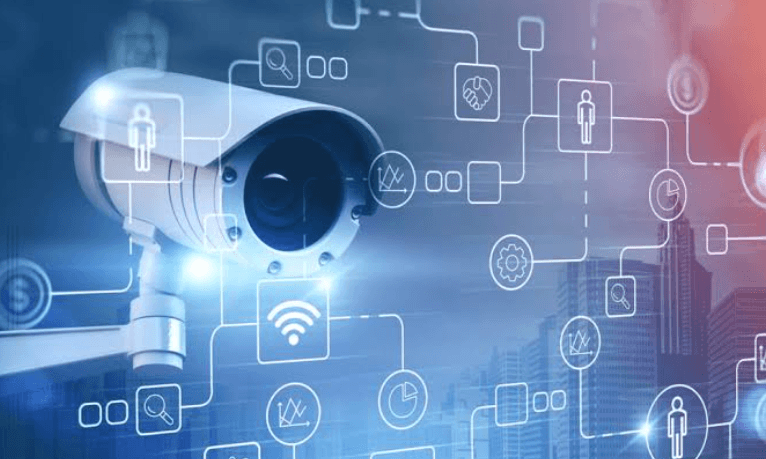
Security is evolving faster than ever before. Just a few decades ago, AI-powered surveillance systems, biometric access control and intelligent detection technologies seemed like science fiction. Today, they are becoming an essential part of how organisations protect people, goods and critical infrastructure.
At InsTech Netherlands, advanced inspection and security technologies play a central role in creating safer and more efficient environments. By combining innovative detection systems with practical security expertise, InsTech Netherlands helps organisations respond to increasingly complex risks.
This article explores how modern technology is reshaping the security landscape, from smart surveillance and advanced inspection systems to biometric access control and cybersecurity.
Smart surveillance for safer spaces
Surveillance systems have come a long way from those grainy black-and-white camera feeds. Nowadays, smart surveillance is all about high-definition video, real-time analytics, and even predictive capabilities. Imagine a system that doesn’t just record footage but actively monitors it for suspicious activities. That’s where AI and machine learning come into play.
Ai and machine learning: the new eyes of security
Artificial Intelligence (AI) and machine learning are revolutionizing the way we think about security. These technologies can analyze vast amounts of data in real time, identifying potential threats faster than any human ever could. For instance, an AI-powered camera can detect unusual behavior patterns and alert security personnel before anything happens. It’s almost like having a sixth sense.
And let’s not forget about facial recognition technology. While it’s not without its controversies, there’s no denying its effectiveness in identifying individuals in crowded spaces or restricted areas. This tech isn’t just for catching the bad guys; it’s also being used to enhance customer experiences in retail and hospitality sectors by recognizing VIP clients and providing them with personalized services.
Biometric barriers: the future of access control
Gone are the days when a simple lock and key were enough to secure anything important. In today’s world, biometric barriers are becoming the norm for access control. Fingerprint scans, retina scans, and even voice recognition are being used to ensure that only authorized individuals can gain access to sensitive areas.
The beauty of biometrics lies in its uniqueness – your fingerprint or retina pattern is uniquely yours, making it incredibly difficult for anyone to forge or duplicate. This level of security is particularly crucial in places like airports, government buildings, and even corporate offices where protecting sensitive information is paramount. Additionally, implementing an explosive detection system can further enhance security measures in these critical areas.
Cybersecurity: shielding the digital frontier
As we move deeper into the digital age, cybersecurity has become just as important as physical security. After all, what good is a secure building if the data inside it is vulnerable? Cybersecurity measures are designed to protect networks, devices, and data from unauthorized access or attacks.
From firewalls to advanced threat detection
Firewalls were once the cornerstone of cybersecurity, acting as barriers between trusted internal networks and untrusted external ones. However, as cyber threats have evolved, so too have our defenses. Today’s cybersecurity strategies involve multiple layers of protection including antivirus software, encryption, intrusion detection systems, and advanced threat detection technologies.
Advanced threat detection uses AI and machine learning to identify unusual patterns that may indicate a cyber attack. These systems can adapt to new threats in real-time, making them much more effective than traditional methods. It’s like having a digital guard dog that never sleeps.
See also: How AI Is Driving the Future of Workflow Optimization Services
The role of iot in modern security systems
The Internet of Things (IoT) is another game-changer in the world of security. IoT devices can communicate with each other and with central systems to create a more integrated and responsive security network. For example, smart locks can be controlled remotely via smartphone apps, while sensors can monitor environmental conditions like temperature and humidity to prevent damage from things like fire or water leaks.
This interconnectedness also means that security systems can be more proactive. Imagine a scenario where a motion detector senses movement in a restricted area and automatically locks down the building while alerting security personnel. It’s like giving your security system a brain of its own.
In conclusion, the advancements in technology have brought about significant improvements in how we approach security. From AI-powered surveillance systems to biometric access controls and advanced cybersecurity measures, these innovations are making our world safer and more secure. So next time you swipe your fingerprint or pass through an AI-monitored checkpoint, take a moment to appreciate the incredible technology working behind the scenes to keep you safe.